
Image credit: Vanessa Loring
Why fibre is getting attention and how to eat more of it
Protein has had plenty of attention. Now fibre is getting its turn, with “fibremaxxing” appearing across TikTok and Instagram. The trend encourages people to increase their fibre intake, sometimes to extremes. So, what’s worth taking from it?
What does fibre actually do?
Fibre is the part of plant foods your body doesn’t fully digest. It helps keep bowel movements regular, and some types feed beneficial gut bacteria. Soluble fibre, found in foods such as oats and beans, can also help lower LDL cholesterol.
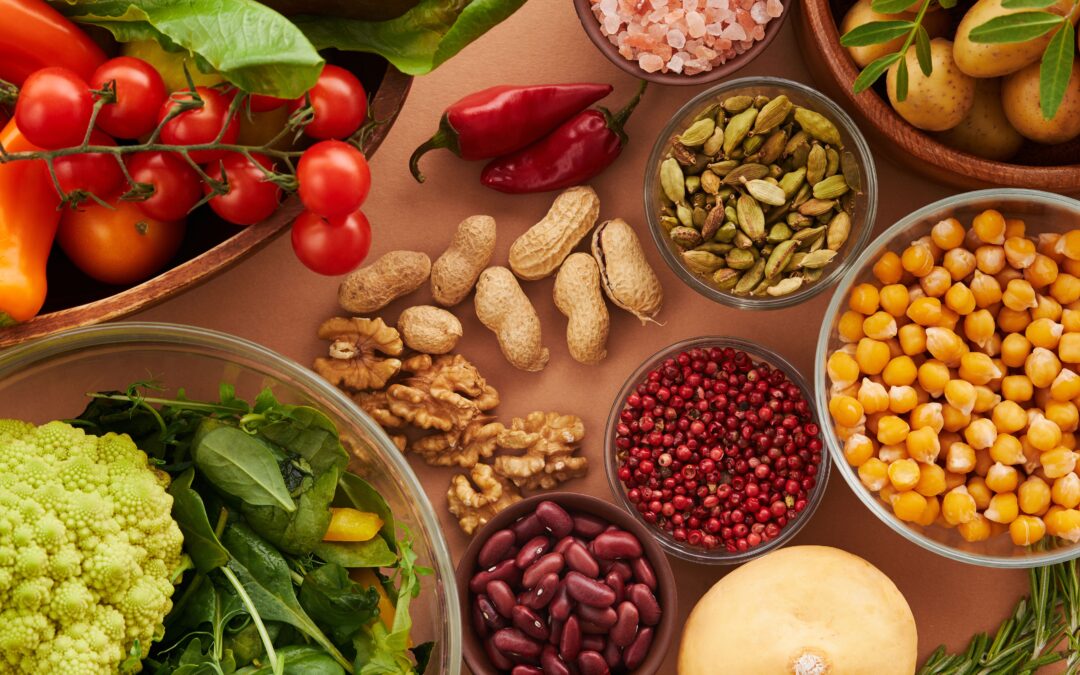
You’ll find fibre in vegetables, fruit, wholegrains, legumes, nuts and seeds. Eating a variety gives you different types of fibre, each with a role in supporting digestion.
Do you need to “max” it?
Australian nutrient reference values set an adequate daily intake of 25g for adult women and 30g for adult men. These are a useful guide, rather than a reason to turn every meal into a calculation.
The Heart Foundation welcomes the focus on fibre, but cautions against chasing the extreme amounts promoted online. Fibre-rich foods belong alongside other foods that supply protein, fats and carbohydrates.
Start with a meal you already eat
You can add fibre without rebuilding your menu. Try one of these changes:
- Breakfast: add a chopped pear to porridge, or choose wholegrain toast.
- Lunch: stir rinsed canned chickpeas into your usual salad or grain bowl.
- Dinner: add canned lentils to bolognese, or use brown rice with your stir-fry.
- Snacks: try fruit with the edible skin on, or a small handful of nuts.
Increase fibre gradually over days and weeks, and drink enough water. A sudden increase can cause gas, bloating or cramps. If you have IBS or have been advised to limit fibre, ask your doctor or dietitian before changing your intake.
Key takeaway
Pick one meal you eat regularly and add a fibre-rich ingredient. Once that feels comfortable, try another change.
Your wellbeing, your way
Looking for more variety at mealtimes? Browse WHEREFIT’s healthy meals category for options that fit your routine. When choosing meals, look for vegetables, legumes and wholegrains to help put these ideas into practice.