

Image source: Riska from Getty Images Signature
A practical reminder to know the signs, understand screening and stay on top of your health
October is Breast Cancer Awareness Month, making it a timely opportunity to check in on the preventive health habits that can help you stay informed and take action early when needed.
1. Understand why early detection matters
Preventive health is not only about what you do when you feel unwell. Screening and routine health checks can help identify some health concerns early, sometimes before symptoms appear.
When it comes to breast cancer, finding it earlier can mean more treatment options and better outcomes. Improvements in screening, treatment and research have also contributed to significant progress in breast cancer survival over time.
2. Pay attention to what is normal for you
You do not need a special technique to keep an eye on changes. Becoming familiar with how your breasts normally look and feel can make it easier to notice when something is different.
Changes worth speaking to a GP or healthcare professional about can include:
- a new lump or lumpiness
- a change in breast size or shape
- changes to the nipple or unusual discharge
- skin changes such as redness or dimpling
- unusual pain that does not go away
The important thing is noticing when something is new or unusual for you and getting professional advice if you are concerned.
3. Know where screening fits
Breast screening is designed to detect breast cancer before symptoms appear.
In Australia, BreastScreen offers free screening mammograms every two years to women aged 50 to 74. Women aged 40 to 49 and 75 and over can also access free screening, although they are not routinely invited.
Screening is different from investigating a change you have noticed. If something feels new or unusual, speak with a GP rather than waiting for your next routine screen.
4. Make preventive health part of your routine
Breast Cancer Awareness Month can also be a useful prompt to think more broadly about preventive health.
Check whether you have any screening invitations, routine appointments or health checks due, and consider setting a reminder for anything that is easy to put off.
What is recommended can vary depending on your age, family history and individual circumstances, so your GP can help you understand which checks are appropriate for you.
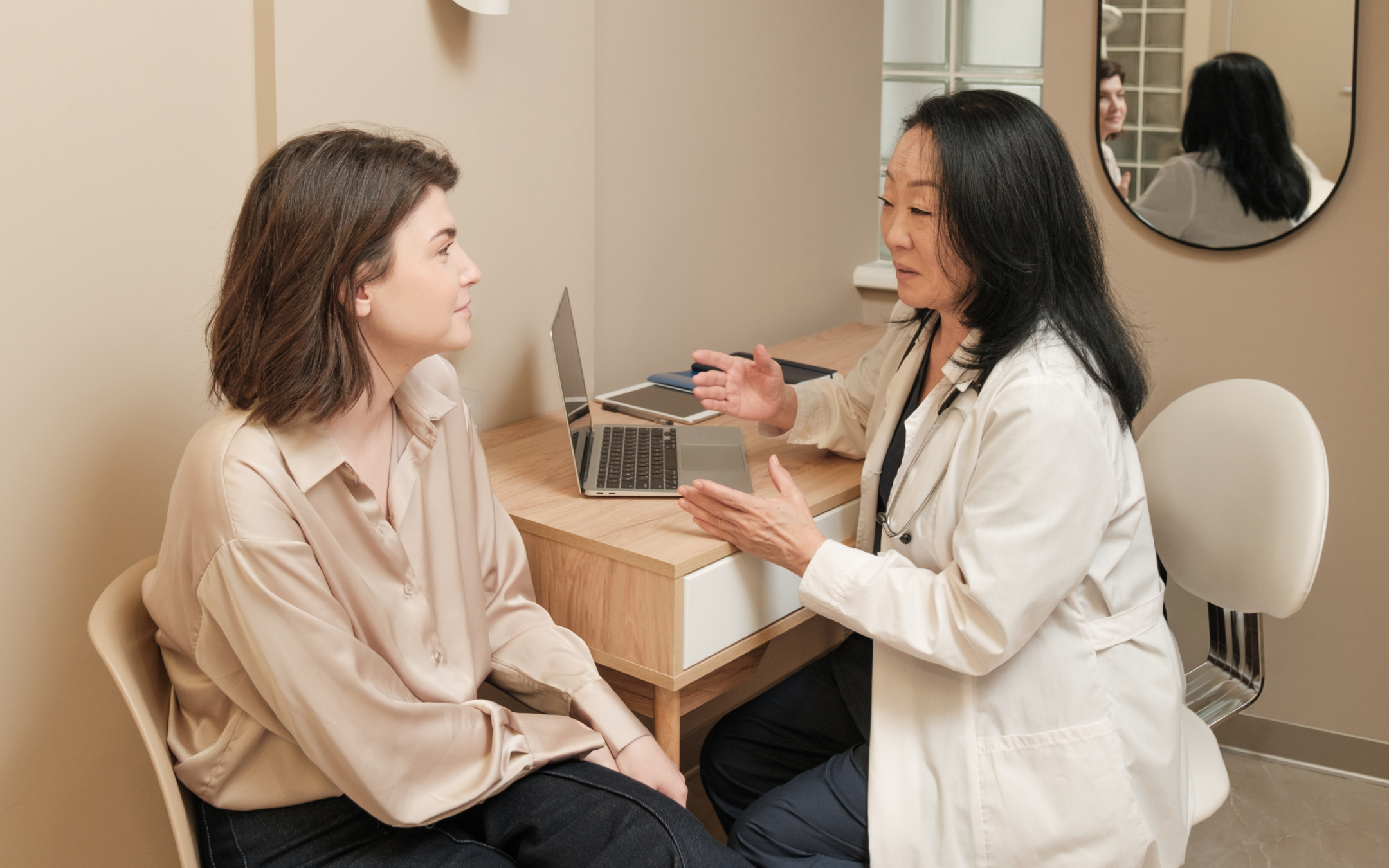
Image source: Alena Shekhovtsova from Canva Creative Studio
Key takeaway
Preventive health is about taking steps to stay ahead of potential health issues, whether that means keeping up with recommended screening, noticing when something changes or making time for routine health checks. Small actions now can make it easier to stay informed and proactive about your health.
Your wellbeing, your way
Looking after your health can be part of everyday life. Through WHEREFIT, explore health, fitness, mind and mood, and other wellbeing options that can support healthier routines throughout the year.