

Image Source: fizkes from Getty Images
Small mindfulness moments that fit into your day
The key to modern meditation is keeping it simple. A quick breathing reset at your desk or a five-minute mindful walk can help you feel calmer, more focused, and better equipped to handle a busy day.
Why it matters
Meditation is the practise of bringing your attention to the present moment. While it may seem simple, regular mindfulness can have a positive impact on both mental and emotional wellbeing.
Some potential benefits include:
- Reduced stress and feelings of overwhelm
- Improved focus and concentration
- Greater self-awareness
- Better sleep and relaxation
The best part? You don’t need any special equipment, experience, or a dedicated meditation space to get started.
1. The one-minute breathing reset
Perfect for busy workdays, stressful moments, or transitioning between tasks. When your mind feels overloaded, focusing on your breath can help create a sense of calm.
Try this:
- Sit comfortably and relax your shoulders.
- Close your eyes or soften your gaze.
- Inhale through your nose for four counts.
- Pause briefly.
- Exhale slowly through your mouth for six counts.
- Repeat for one minute.
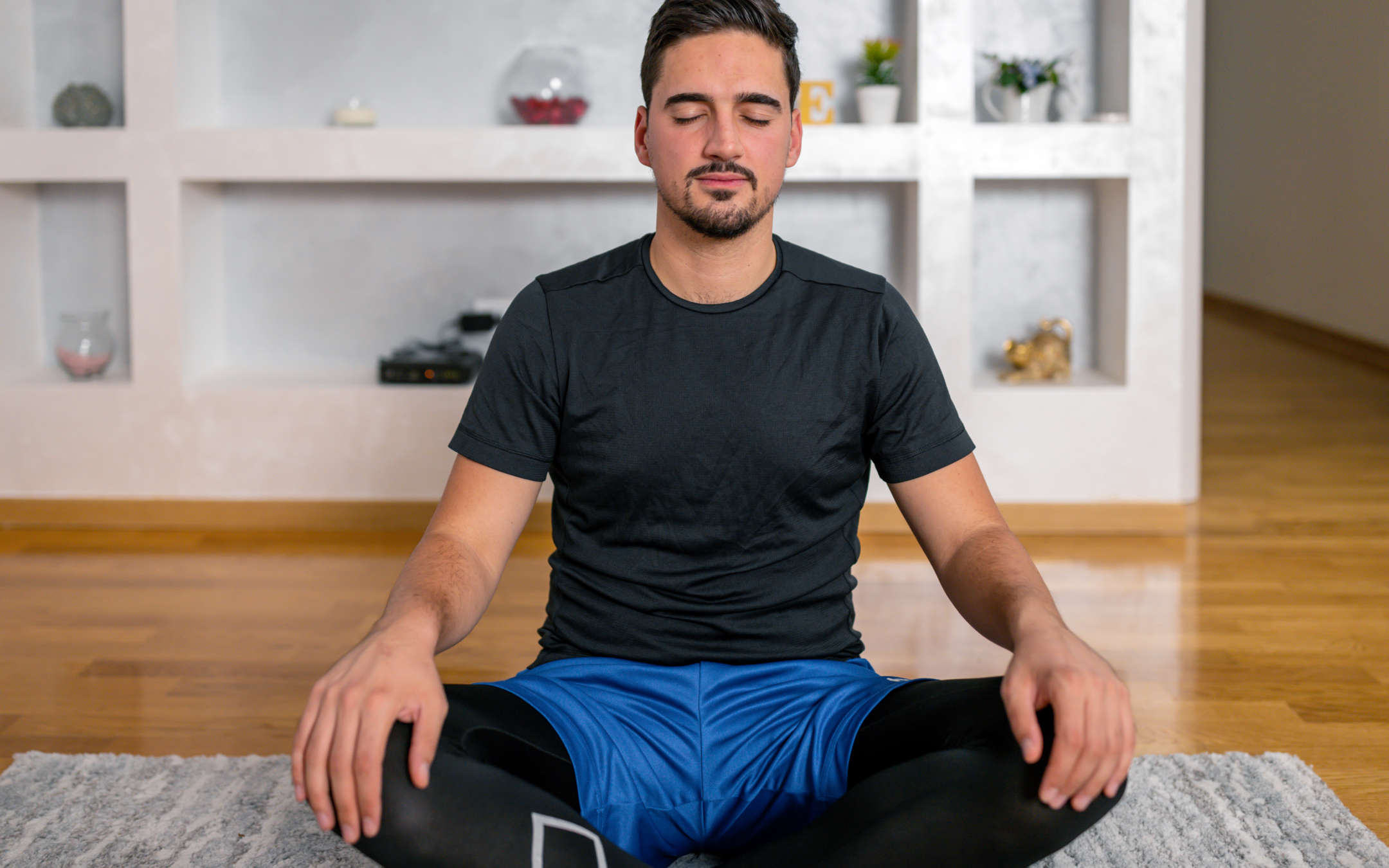
Image Source: RealPeopleGroup from Getty Images Signature
2. Desk meditation
Perfect for between meetings or during the workday. You don’t need to leave your desk to practise mindfulness.
Try this:
- Sit comfortably with both feet on the floor.
- Notice how your body feels against the chair.
- Bring your attention to your breath.
- Observe any thoughts that arise.
- Continue for two to five minutes.
Think of yourself as an observer. Rather than getting caught up in your thoughts, simply notice them and let them pass.
3. The give senses grounding exercise
Perfect for moments of anxiety, overwhelm, or mental fatigue. This simple technique helps bring your attention back to the present moment.
Notice:
- 5 things you can see
- 4 things you can feel
- 3 things you can hear
- 2 things you can smell
- 1 thing you can taste
4. Walking meditation
Meditation doesn’t always require sitting still.
Try this:
- Walk at a natural pace.
- Focus on the sensation of your feet touching the ground.
- Notice the rhythm of your steps.
- Pay attention to your surroundings.
- When your mind wanders, gently return your focus to your movement.
Even a five-minute mindful walk can help refresh your energy and clear your mind.

Image Source: Erdark from Getty Images Signature
5. Body scan before sleep
Perfect for unwinding at the end of the day. If racing thoughts make it difficult to switch off, a body scan can help you relax before bed.
Try this:
- Lie comfortably in bed.
- Close your eyes and take a few slow breaths.
- Bring your attention to your toes.
- Slowly move your awareness up through your body to the top of your head.
- Notice any areas of tension and consciously relax them.
- There’s no need to force anything. Simply observe and let go.
6. Gratitude meditation
Perfect for starting the morning.
Try this:
- Sit quietly for a few moments.
- Think of three things you’re grateful for.
- Reflect on why they matter to you.
- Take a few slow breaths while holding those thoughts in mind.
- They don’t need to be major life events. A good coffee, a supportive colleague, or a sunny morning all count.
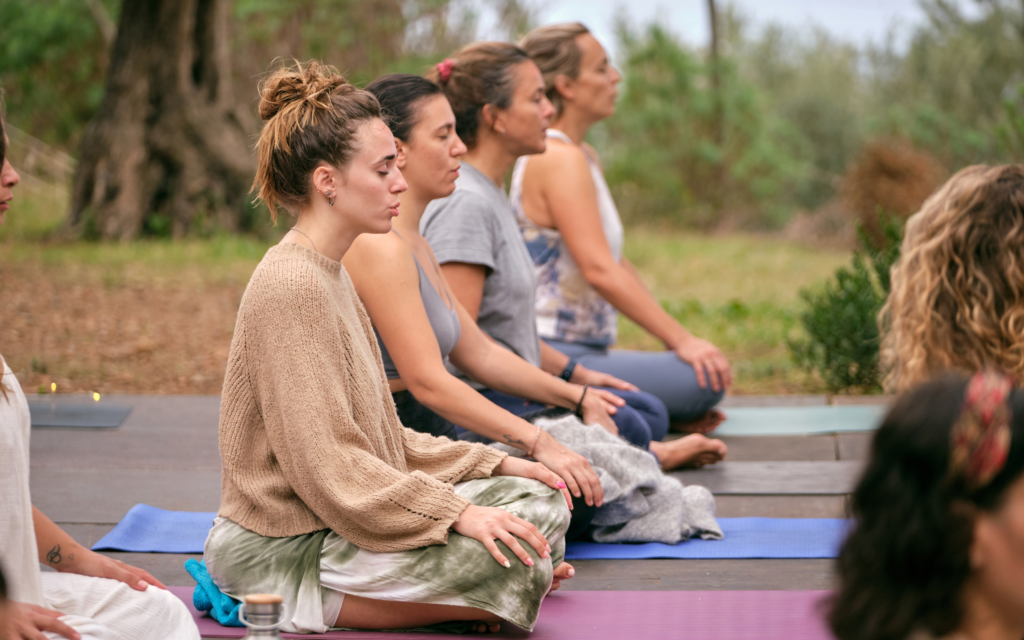
Image Source: Philippe Degroote from Canva Pro
Key takeaway
Meditation is about creating small moments of awareness that can help reduce stress, improve focus, and build resilience over time.
Your wellbeing, your way
WHEREFIT members can access offers on meditation and mindfulness apps, yoga studios, wellness programs, recovery services, and more across Australia and New Zealand to help support their meditation practise.