

Image Source: AI-generated, ChatGPT
What heat can add to movement and recovery, and how to explore it safely
From heated-room fitness sessions to saunas and hot baths, heat is becoming part of more wellbeing routines.
What heat changes
When you exercise in a warm environment, your body is moving while also working to cool itself. Heart rate, body temperature, and sweating can increase, making a familiar workout feel more demanding.
Why people enjoy it
It changes the experience
The temperature, focused setting and noticeable sweat can make a heated session feel a whole lot different from an everyday workout. For some people, that immersive environment helps them stay present and engaged.
It adds a new challenge
Heat changes how hard exercise feels. Some people enjoy that extra layer of effort and the sense of completing something demanding.
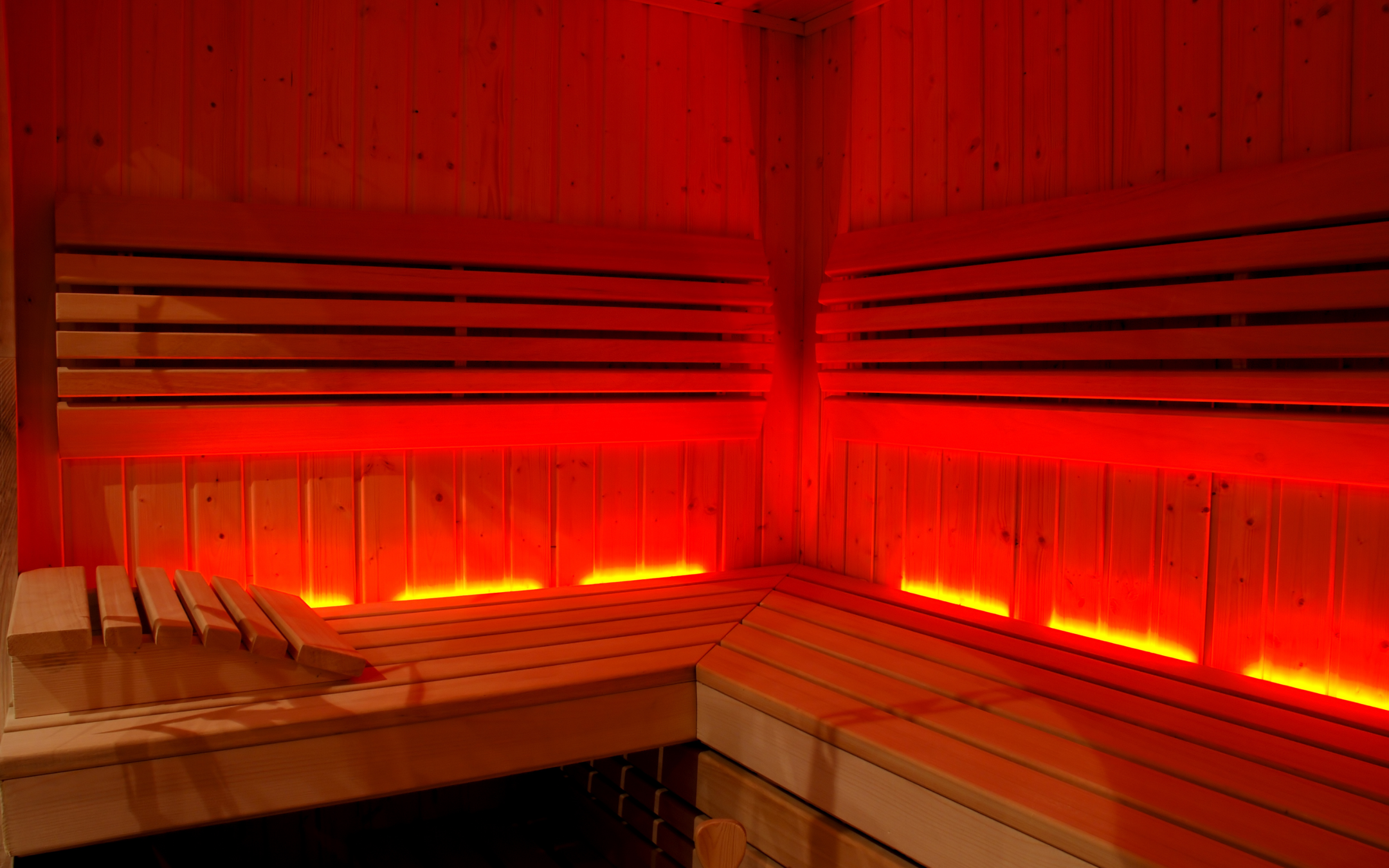
Image Source: przemeksuwalki from Getty Images
It creates a recovery ritual
Saunas, steam rooms and hot baths give people a defined way to slow down after activity or on a rest day. They can provide a quiet transition between exercise and rest from the day.
How to enjoy heated workouts
Choose a familiar format
Begin with a type of movement you already understand. This makes it easier to notice how the temperature affects your energy, comfort and technique. You might explore a heated version of strength training, cycling, mobility, yoga, Pilates or barre. The best option is the one that feels enjoyable and manageable for you.
Start gently
Try a shorter session or a lower-temperature option first. You do not need to stay for the maximum time or match the intensity you would normally use in a cooler environment.
Hydrate and adjust
Drink water before and after your session. Take breaks and choose simpler variations when needed. Avoid combining a very demanding heated workout with a long sauna or steam-room session immediately afterwards.
Know when to stop
Leave the heated space and move somewhere cool or room-temp if you feel dizzy, weak, nauseous, unusually short of breath or develop a headache or muscle cramps.

Image Source: Jacob Lund from Canva Teams
Key takeaway
For many people, heat is an enjoyable way to refresh a familiar routine. It can make movement feel more immersive, add a new layer of challenge and turn recovery into a more intentional ritual.
While research into the long-term health effects of passive heat is still developing, heated workouts, saunas and other heat-based experiences can be a positive addition to a balanced wellbeing routine. Their value is best viewed alongside regular movement, quality sleep, good nutrition and appropriate healthcare, rather than heat alone being treated as the main source of health benefits.
Your wellbeing, your way
With WHEREFIT, members can explore fitness classes and recovery experiences that suit different preferences, including heat-based options where available.