
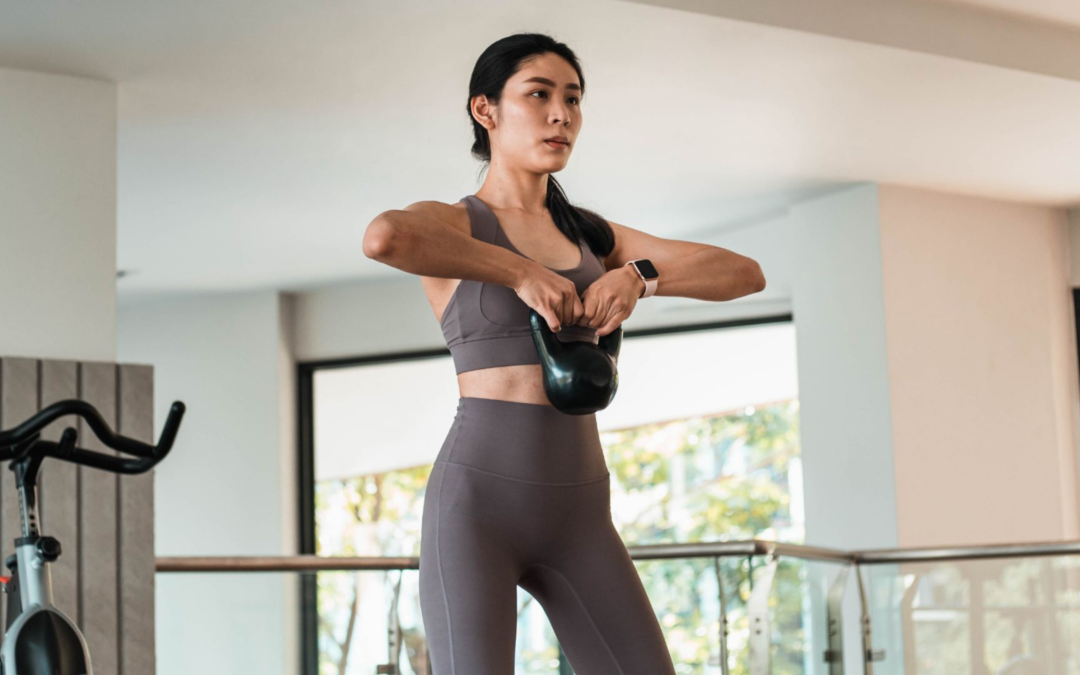
Image Source: Nearkrasaesom from Canva
Smarter training for women begins with awareness of the menstrual cycle and how the body responds, which can support smarter training, improved recovery, and sustained energy.
Why cycle-aware training matters
Hormones influence energy, strength, mood, recovery, and motivation. While society often promotes working out every day, intensity levels naturally fluctuate for women throughout the month due to the different phases of their cycle. Understanding each phase can help align training with natural rhythms, avoid burnout, reduce frustration, and build long-term consistency.
Here’s a simple look at the stages of the menstrual cycle, with tips for how to move comfortably and make the most of each phase.
Follicular phase: build strength and confidence
This phase begins on the first day of menstruation (your period) and lasts until ovulation. Rising oestrogen can create steady energy, sharper focus, and higher motivation. It’s a great window to:
- Explore strength training
- Increase weights safely
- Learn new skills or try a new activity
It is a confidence-building phase where challenges feel achievable.
Ovulation phase: high-energy, high output
Around mid-cycle, energy and confidence often reach a peak. Many women feel powerful, social, and energised. This phase can be well-suited to high-output workouts such as:
- HIIT sessions
- Sprints
- Team sports
- Pushing personal bests
Group classes or competitive energy often feel especially aligned with this phase.
Luteal phase: dial it down, not out
Following ovulation, progesterone levels rise. Energy may decrease, and sensitivity to stress or fatigue can increase. During this phase, it is better to adjust the intensity of workouts rather than pushing harder:
- Moderate strength sessions
- Pilates or controlled cardio
- Longer rest periods
Consistency matters more than intensity in this phase.
Menstrual phase: restore and reset
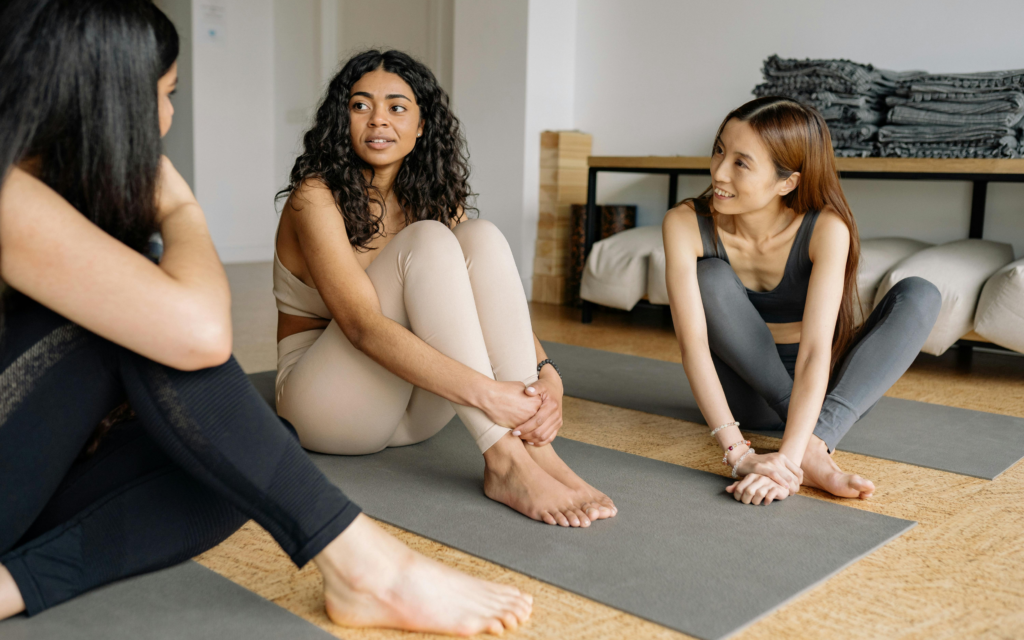
Last but not least is the menstrual phase, where energy can vary. Use your energy levels as a cue to adjust your activity to match how you feel. Gentle movement can help improve circulation and ease discomfort:
- Walking or light cardio
- Stretching or yoga
- Mobility exercises
Rest days can also be useful when needed, as recovery is a necessary part of effective training.
Key takeaway
This isn’t about limits. Training around your cycle is not about having “good” or “bad” weeks. It is about recognising patterns and responding in an informed way. Each month can feel different due to hormones, sleep, diet, or stress, but with awareness, training can be aligned with the body’s natural rhythms instead of working against them.
Your wellbeing, your way
Greater awareness of your cycle can help guide smarter training decisions. And that’s where WHEREFIT can help. From offering apps that track energy levels to accessing workouts that fit each phase, it is possible to find the movement that truly works with your body.