
Image Credit: AI-Generated
A week of reflection, learning, and connection.
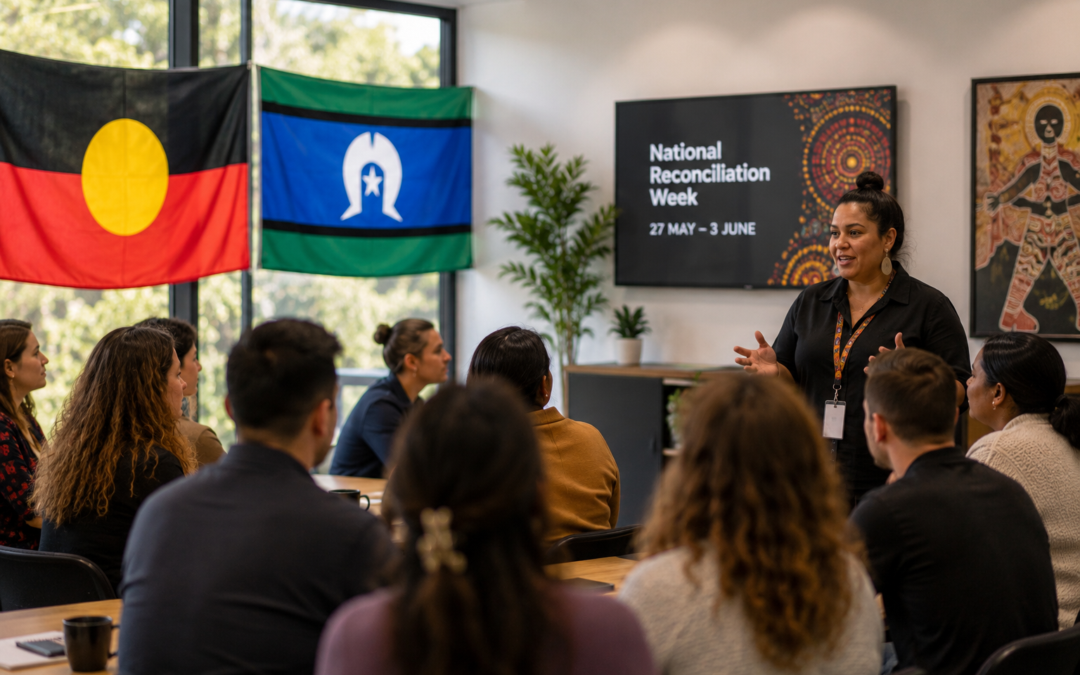
National Reconciliation Week (NRW) runs from 27 May to 3 June each year in Australia. It is a dedicated time to recognise Aboriginal and Torres Strait Islander histories, cultures, and contributions, while reflecting on the importance of strengthening relationships between Aboriginal and Torres Strait Islander peoples and non-Indigenous Australians.
Why does the week fall on these dates?
The timing of the NRW connects two milestones in Australia’s history:
27 May 1967 (The 1967 Referendum): A landmark vote that changed the Constitution to allow Aboriginal and Torres Strait Islander peoples to be counted in the national census and included in federal law-making.
3 June 1992 (The Mabo Native Title Decision): The High Court recognised Eddie Koiki Mabo’s challenge to the legal fiction of terra nullius, establishing the legal recognition of Native Title and acknowledging that Aboriginal and Torres Strait Islander peoples have rights to certain land through their traditional laws and customs.
Together, these dates serve as vital reminders of Australia’s ongoing reconciliation journey.
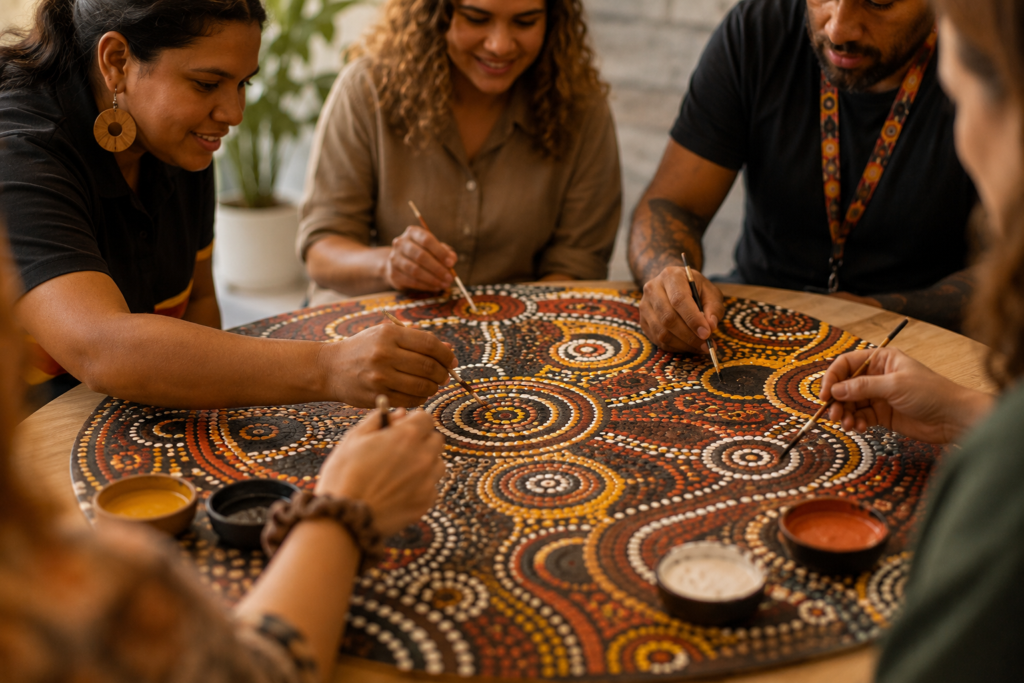
Image Credit: AI-Generated
How to participate
Reconciliation is an evolving process driven by awareness, dialogue and action. Across the country, communities and organisations mark the week through events, discussions, learning sessions and cultural activities:
- Workplace learning: Attend cultural awareness sessions, talks or workshops led by Aboriginal and Torres Strait Islander voices.
- Community events: Join local NRW events, exhibitions, walks or activities in your area.
- Personal learning: Read, listen to or watch First Nations-led resources to better understand shared histories, cultures and perspectives.
Continuing the conversation
National Reconciliation Week is a reminder that reconciliation is ongoing and shaped by everyday actions, conversations and learning. Whether through workplace initiatives, community events or personal reflection, the week provides an opportunity to engage with and better understand the histories, cultures and perspectives of Aboriginal and Torres Strait Islander peoples.