
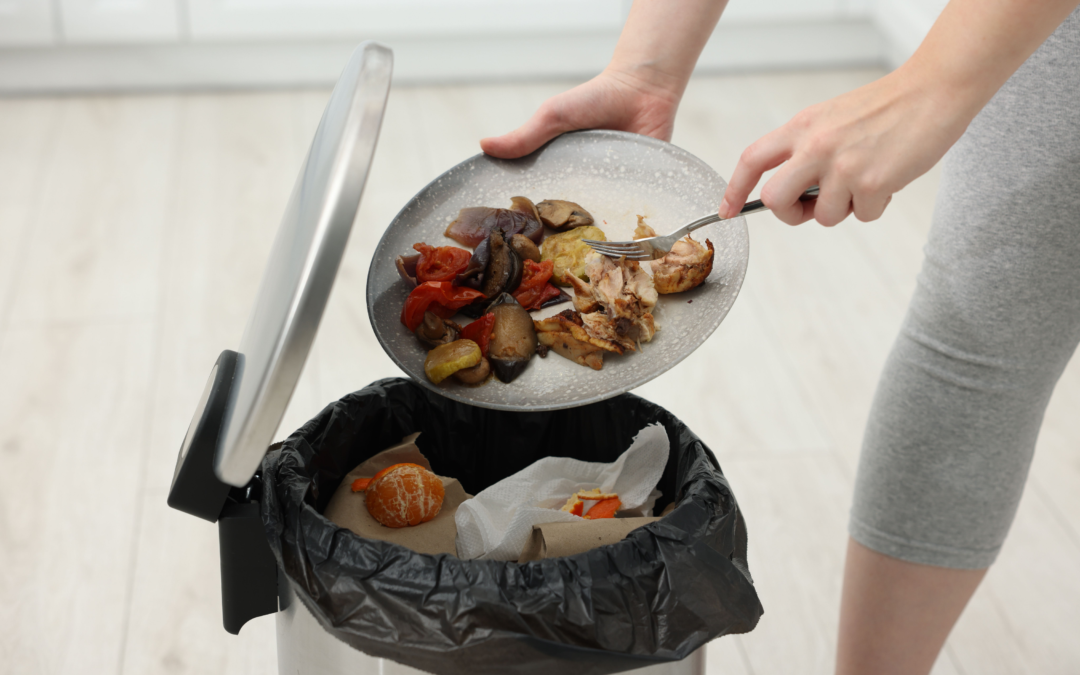
Image source: Africa images from Canva Pro
Make the most of your groceries with a few simple changes to your everyday routine.
We’ve all been there. You buy fresh ingredients with every intention of using them, only to find forgotten vegetables at the back of the fridge or leftovers that never made it into another meal.
The good news is that reducing food waste doesn’t have to mean completely changing how you shop, cook or eat. A few thoughtful habits can help you make your groceries go further, save money and waste less along the way.
Here are some practical ways to reduce food waste and make the most of what you already have.
1. Check what you have before shopping

Image source: DragonImages from Canva Pro
Before heading to the supermarket, take a quick look through your fridge, freezer and pantry.
You might find vegetables that need using, leftovers that could become tomorrow’s lunch or ingredients you forgot you had. Planning a few meals around what’s already available can help you avoid unnecessary purchases and make better use of your groceries.
2. Give leftovers a second life

Image Source: Anna Tarazevich from Pexels
Leftovers don’t always have to be a repeat of yesterday’s meal. With a little creativity, you can turn ingredients into something new.
Try these simple ideas:
Roasted vegetables: Add them to wraps, salads or frittatas.
Leftover rice: Turn it into fried rice with vegetables and eggs.
Ripe bananas: Blend them into smoothies or use them in pancakes.
Extra vegetables: Add them to soups, pasta sauces or stir-fries.
These simple combinations can help you create another meal without starting from scratch.
3. Store food so it lasts longer
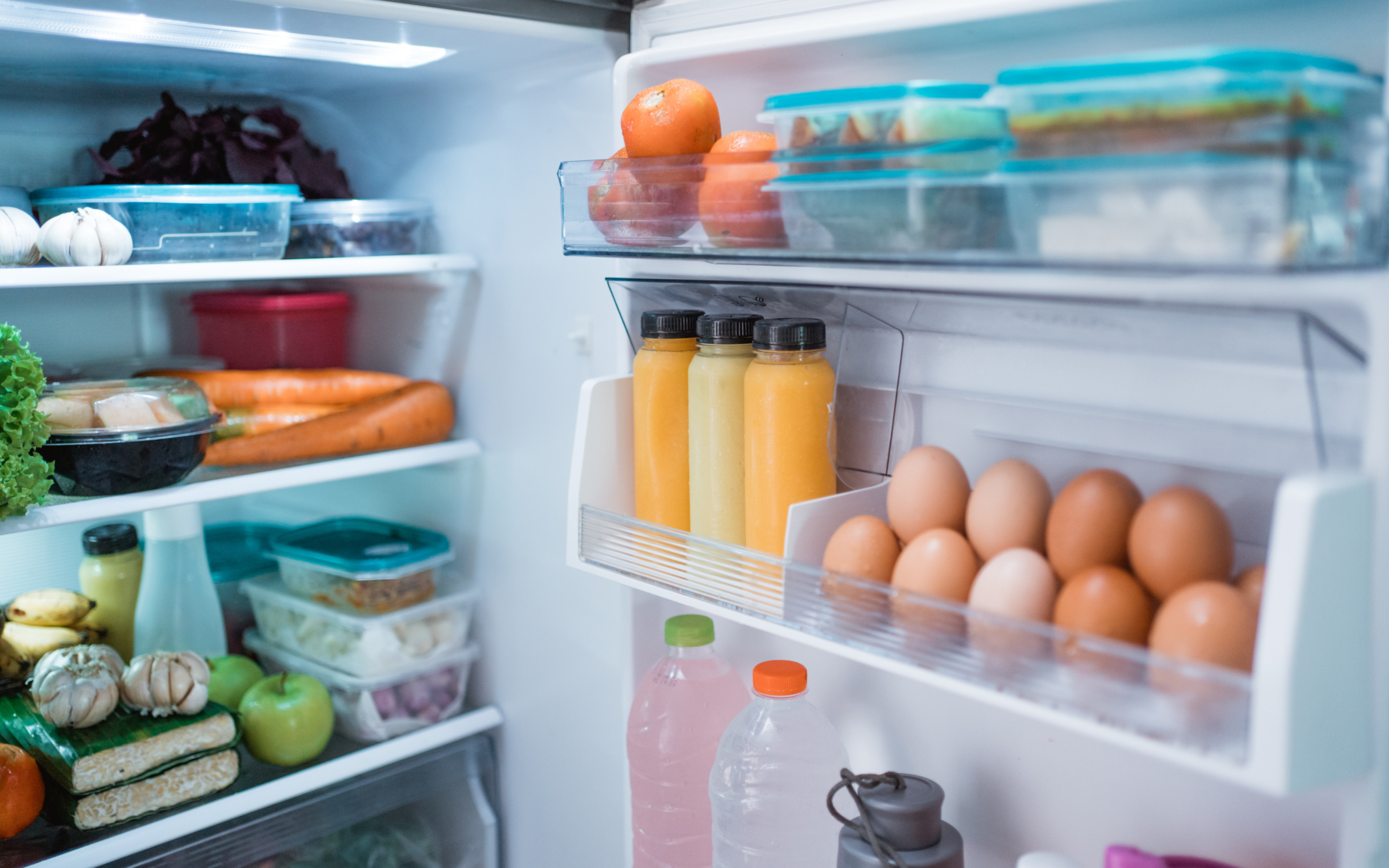
Image source: Odua Images from Canva Pro
Proper storage can make a difference in keeping your groceries fresh and reducing unnecessary waste.
Keep perishable foods refrigerated, store ingredients according to their packaging instructions and freeze suitable leftovers you won’t eat in time.
It’s also helpful to know the difference between best-before and use-by dates. Best-before dates generally relate to food quality, while use-by dates indicate when food should no longer be eaten for safety reasons.
4. Prepare portions that work for you
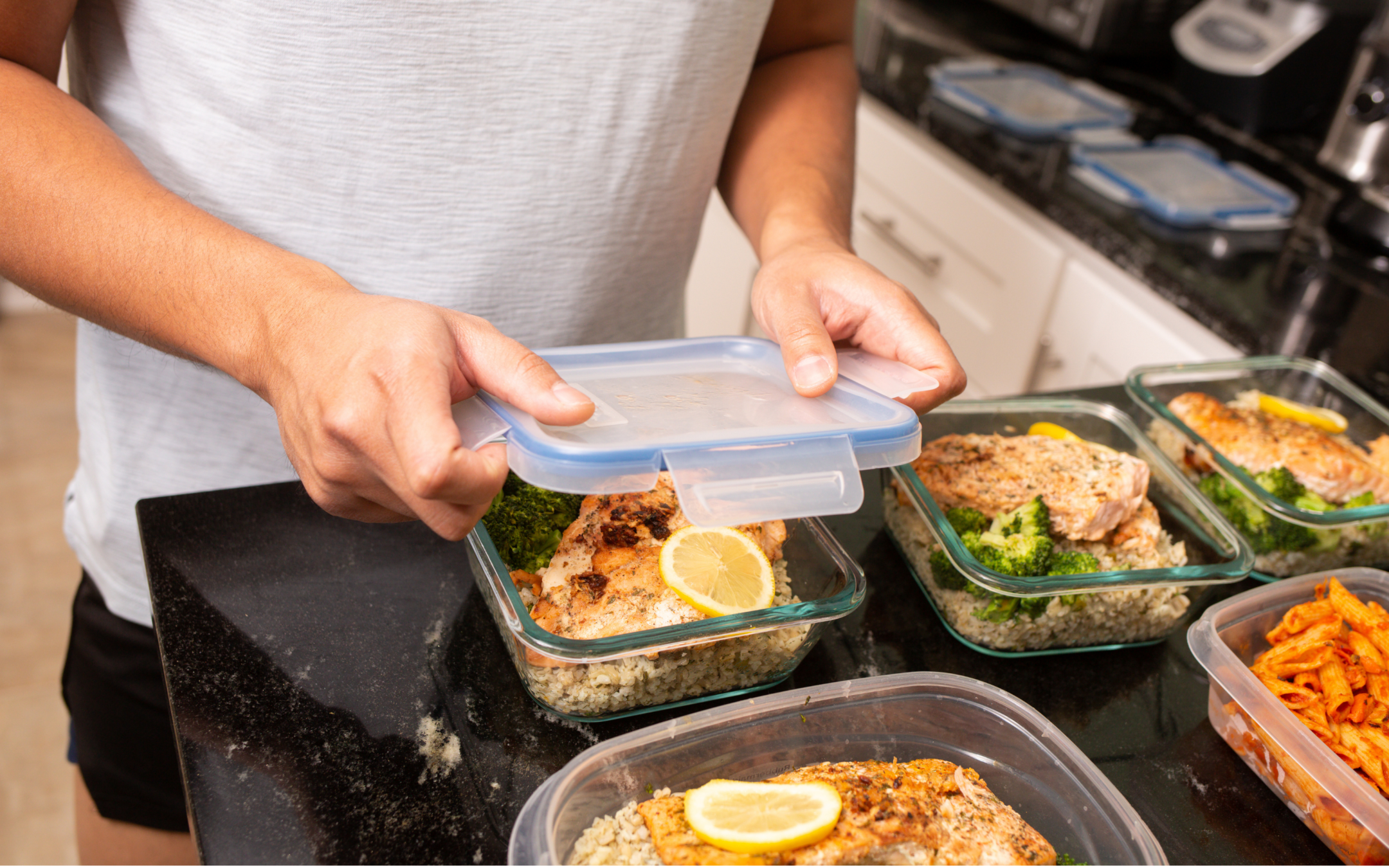
Image source: carlofranco from Getty Images Signature
Cooking more than you need can easily lead to unnecessary waste.
Try preparing realistic portions when cooking meals, especially with ingredients like rice, pasta and vegetables. If you’re making extra, plan ahead by setting aside portions for lunch or freezing them for another day.
Key takeaway
Reducing food waste doesn’t require a perfect routine. Small changes in how you shop, store and prepare food can help you get more value from your groceries while making everyday meals a little more sustainable.
Your wellbeing, your way

Image source: Edward Smith from Canva Pro
Making the most of your food is also about finding what works for your lifestyle and budget.
Through WHEREFIT, explore savings across healthy meals and convenient food options that can help make everyday meal planning easier. Whether you’re cooking at home or looking for ready-made options, discover more ways to make eating well work for you.